Selective Hearing Dog Training in Charlotte, NC (and Nearby)
Tired of repeating commands and getting a glance instead of a response? Wondering if “come” or calling your dog’s name will work when it matters?
Your Dog Isn’t Ignoring You. They’ve Been Accidentally Trained to Tune You Out.
Here’s what most owners don’t know: selective hearing isn’t a personality trait. It’s a lesson your dog learned by accident — your commands are optional. And every unanswered “come” taught that lesson a little more. The dog isn’t broken. The command is broken. Luckily, a broken command can be rebuilt.
Why Selective Hearing Happens (and Why It Gets Worse)
A command only means something in the environment where it was reliably trained. A dog that learned “sit” in a quiet living room has a narrow understanding of “sit.” Take that same dog to the park, and from their perspective, it’s an entirely different situation. That’s why dogs with selective hearing at home often fall apart the moment anything interesting happens outside.
The Repetition Trap
Selective hearing gets worse every time you repeat yourself. “Come, come, COME” teaches your dog that the first two mean nothing. The actual cue to respond becomes the escalating frustration in your voice, not the word itself. Repeating a command your dog is ignoring doesn’t fix selective hearing. It reinforces it. The fix isn’t asking louder or more often. It’s restructuring how the command is built and enforced, so the first ask means something, everywhere.
Want the full breakdown of why selective listening keeps happening? Read our complete guide: Why Dogs Have Selective Hearing.
How We Fix It
We come to your home, assess where the selective hearing breaks down, and build the response from the ground up in the environments where it actually needs to work: your yard, your street, the specific distractions your dog encounters. A reliable response at home is a starting point, not the goal.
Our trainers work directly with you on the mechanics: how to give a command that carries weight, and critically, how to stop the habits that have been feeding your dog’s selective hearing so far. You’ll leave the consultation knowing exactly what to do, and what to stop doing.
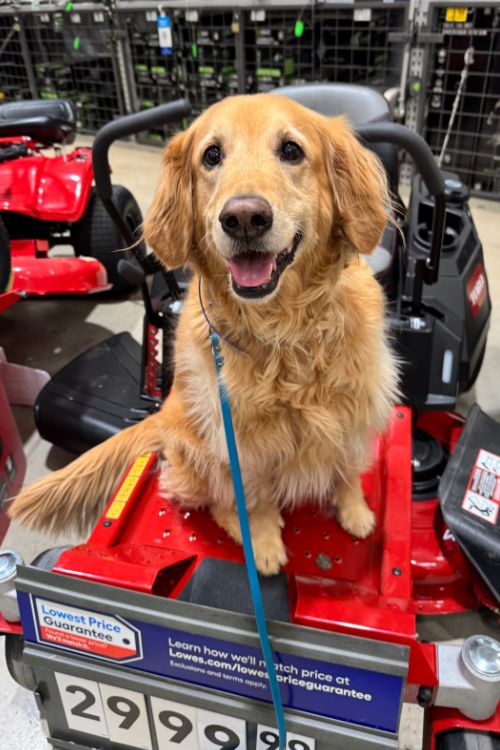
Over time, we test your dog’s listening skills in brand-new environments (like dog-friendly stores and coffee shops in Charlotte). That way, you’ll feel confident your dog will listen, no matter where you go together.
Our Training Programs:
The Real Cost of Waiting
Here’s the reality: if your dog listens 80% of the time, they aren’t a trained dog. They’re a dog with a 20% failure rate in situations where failure has real consequences. We treat obedience reliability as a safety standard, not a training preference.
Frequently Asked Questions
Why does my dog ignore me if they know the commands?
Why does repeating commands make selective hearing worse?
Can an older dog learn to actually listen?
What do I do in dangerous situations when my dog ignores me?
How long does it take to see results?
“He Usually Listens” Isn’t Good Enough
Charlotte families have been calling us about selective hearing since 2008. We come to you, build real-world reliability into your dog’s obedience, and give you a dog you can count on when it matters.
Just ask Kim Mirabile. She shared a glowing review about her experience with us:
“Within the first visit with Dom, our Great Pyrenees mix was already doing much better on walks, less counter surfing and listening improved which is not always a “thing” with a livestock guard dog! There are many dog trainers to choose from, but hands down, Dog Owner’s Academy continues to be top-notch, consistently educating owners on how to have the best dog possible! I cannot say enough wonderful things about them and HIGHLY recommend them.”
Book your free in-home consultation today. Let’s take a look at the selective hearing situation together.
Real Owners. Real Dogs. Changes That Last.
See what’s possible when selective hearing gets the right training.
 Cynthia Siemasko
Google Review
Cynthia Siemasko
Google Review
Amya is amazing. Ollie is so much better at listening now after working with her this last month.
Kim Mirabile
Google Review
Our family recently adopted a puppy who needed boundaries! It was a no brainer to work with Turk and Dom again like we did with our other dog. Within the first visit with Dom, our Great Pyrenees mix was already doing much better on walks, less counter surfing and listening improved which is not always a “thing” with a livestock guard dog!
Casey Baker
Google Review
Only the highest recommendation for these guys! Our great dane puppy had finally realized she could leverage her size and strength to do whatever she wanted. We are still doing sessions but even after the first training camp session, she was VERY well mannered and we could see huge improvements. Now she walks off leash, comes when called, listens when we want her to stay somewhere or not do something, and more.
Colleen McAndrews
Google Review
I can not thank Dog Owners Academy enough for helping me with Journey! He has transformed as a dog and is now listening more to me every day.
Lauren Rossomanno
Google Review
We sent our dogs who were truly menaces, and who we wondered if were even capable of listening or following directions, to Dog Owners Academy, and what we got back after training were two completely different dogs in the BEST way. Well behaved, good on a leash, able to listen to commands even in high chaos situations. We’re able to take our dogs into stores, parks, parades, and we love every second of it because we can trust their training around people, objects, loud noises, and other animals.