
Leash Reactive Dog Training in Charlotte, NC (and Nearby)
5000+ Dogs Later, We Know Leash Reactivity Inside and Out
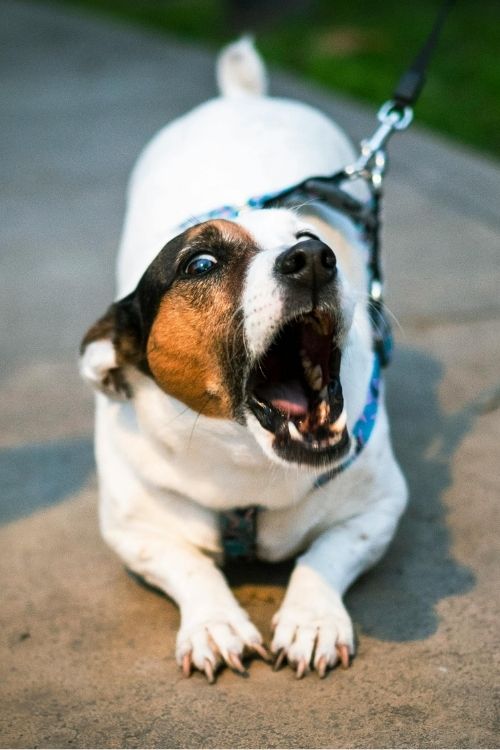
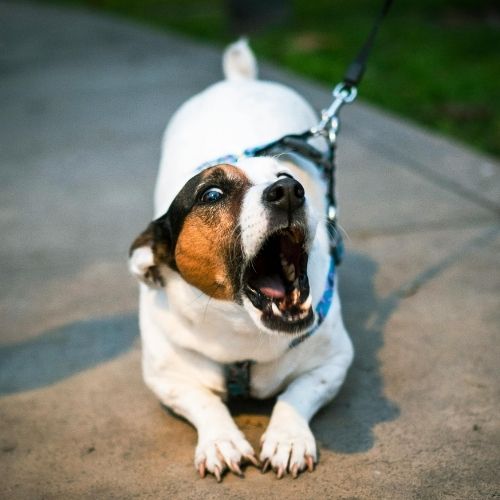
Your Dog Isn’t Broken. The Leash Took Away Every Option Except Exploding.
Now every walk means anxiously scanning ahead, crossing streets early, apologizing to strangers. Or you start walking at 5 AM just to avoid everyone.
This is leash reactivity: one of the most common calls we get in Charlotte, and one of the most misunderstood. Your dog isn’t aggressive or dominant. They’re trapped, and a trapped animal explodes.
What’s Happening On The Leash
The leash removes all of that. Your dog can’t approach, can’t flee, can’t create distance — so the only tool left is noise and force. That’s why the same dog who’s perfectly social at the dog park turns into a different animal on a walk. The dog didn’t change. The leash changed how they respond to the environment around them.
How We Train Your Dog to Walk Calmly
Leash reactivity looks the same from twenty feet — barking, lunging, spinning — but the cause varies: frustration at being restrained from a trigger, fear while trying to make something scary leave, or a dog that’s never learned to regulate its own arousal. One Charlotte client was sure her dog was “aggressive,” but it turned out to be pure frustration. Her dog was perfectly fine off leash and just couldn’t handle being held back.
Treat all three causes the same, and you’ll spend months solving the wrong problem. Our trainers diagnose which causes you’re dealing with first. We assess the type of reactivity, identify your dog’s specific triggers (and threshold), and coach you directly on what to do in the few seconds between spotting a trigger and losing your dog’s attention.
Our Training Programs:
Why Waiting Makes It Worse
Frequently Asked Questions
Is my dog aggressive or reactive?
Why is my dog fine at the dog park but loses it on walks?
Can leash reactivity be fixed?
Why is it getting worse instead of better?
What should I do on walks right now?
Do you train in my neighborhood?
Start Enjoying Charlotte’s Parks, Greenways, and Neighborhoods With Your Dog
Want the full breakdown of why this happens, why the usual fixes backfire, and what actually works? Read our complete guide: Leash Reactivity Isn’t Your Fault But It’s Your Responsibility.
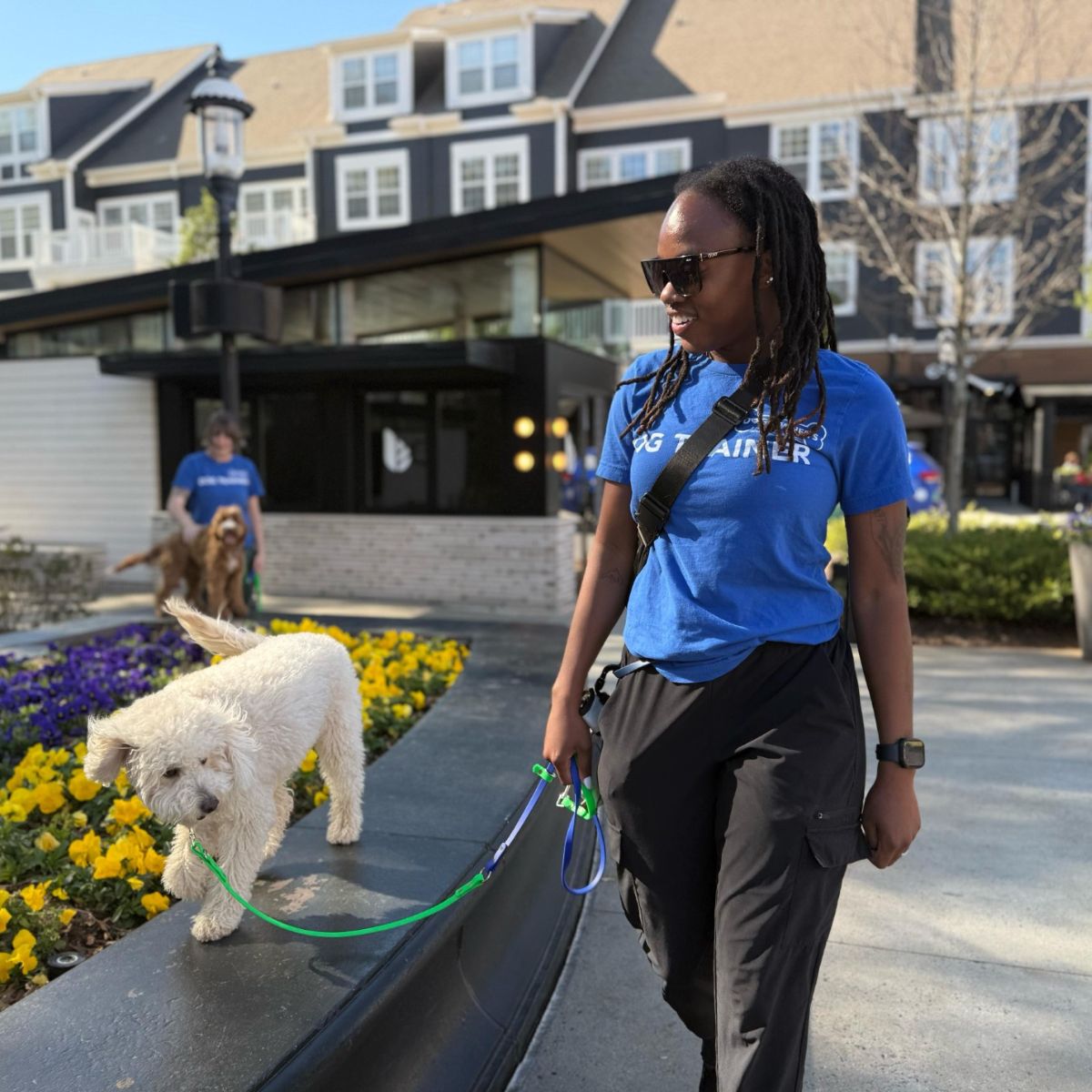
Real Owners. Real Dogs. Changes That Last.
See what’s possible when leash pulling gets the right training.
 Amanda Roberts
Google Review
Amanda Roberts
Google Review
By the end of the lesson, Lucy and I were able to walk together instead of Lucy dragging me down the street. It's only been a couple of days, but we can leave my street now and calmly walk through the neighborhood — even if another dog walks by! It's amazing to see such a dramatic improvement after just one session.
Suzanne Miller
Google Review
After the very first lesson of leash walking, I went from dreading anxiety-filled walks to enjoying being outside with my pup! With Amya’s and Dom’s coaching, we progressively introduced my dog and cats, crate trained, and worked on commands like “place” and walking “with me”. We are starting to venture out more to dog-friendly shops and are excited to begin group lessons, too!
Scott Rossmeisl
Google Review
Our Sadie is a completely different dog now. Will come when called, walk without pulling and is very responsive to commands. This is a 100% game changer!!!
Laura Bryan
Google Review
My new dog was having behavioral issues (food aggression, pulling), and now he is much improved. I also like that there are plenty of opportunities for socializing. Amya, Turk, and the team are so supportive. The investment is so valuable.
Casey Baker
Google Review
Our great dane puppy had finally realized she could leverage her size and strength to do whatever she wanted. We are still doing sessions, but even after the first training session, she was VERY well-mannered, and we could see huge improvements. Now she walks off leash, comes when called, listens when we want her to stay somewhere or not do something, and more.