
Private Dog Training “Near Me” in Charlotte: 7 Questions to Ask Before You Book
- Marketing Team
- February 05, 2026
- Blog
Table of Contents
- Why Private, In-Home Dog Training in Charlotte Makes All the Difference
- The 7 Essential Questions to Ask Before You Book a Private Dog Trainer in Charlotte
- Question 1: “What is your core training philosophy and how does it apply to in-home settings?”
- Question 2: “What specific certifications do you hold, and what continuous education do you pursue?”
- Question 3: “Can you provide references or case studies, especially for in-home work with similar issues to mine?”
- Question 4: “How do you structure your in-home programs, including duration, owner involvement, and follow-up support?”
- Question 5: “What equipment do you use, and why do you recommend it for in-home training?”
- Question 6: “What is your pricing structure for private in-home sessions, including package deals, payment plans, and cancellation policies?”
- Question 7: “How do you handle potential misalignments or if the training isn’t meeting my expectations?”
- Tips for Comparing Free Consultations: Your First Interview
- Beyond the Consult: Spotting Misalignment Early in In-Home Dog Training
- The Charlotte Advantage: Why Local Matters for In-Home Training
- AI Overview/Snippet Optimization
- Frequently Asked Questions About Private Dog Training in Charlotte
- Ready to Find Your Ideal Charlotte Dog Trainer?
Why Private, In-Home Dog Training in Charlotte Makes All the Difference
In-home training taps directly into your dog’s actual environment, allowing trainers to observe and address behaviors where they naturally occur. Is your dog reactive to the mailman? Does he jump on guests as soon as they walk through your front door? Is potty training a nightmare within your specific layout? These are issues best tackled in the precise context where they happen.
Think about it this way: if you wanted to learn to cook gourmet meals, would you rather practice in a professional kitchen you’ll never use again, or in your own kitchen, with your own pots, pans, and appliances? The latter, right? Because that’s where you’ll actually be cooking.
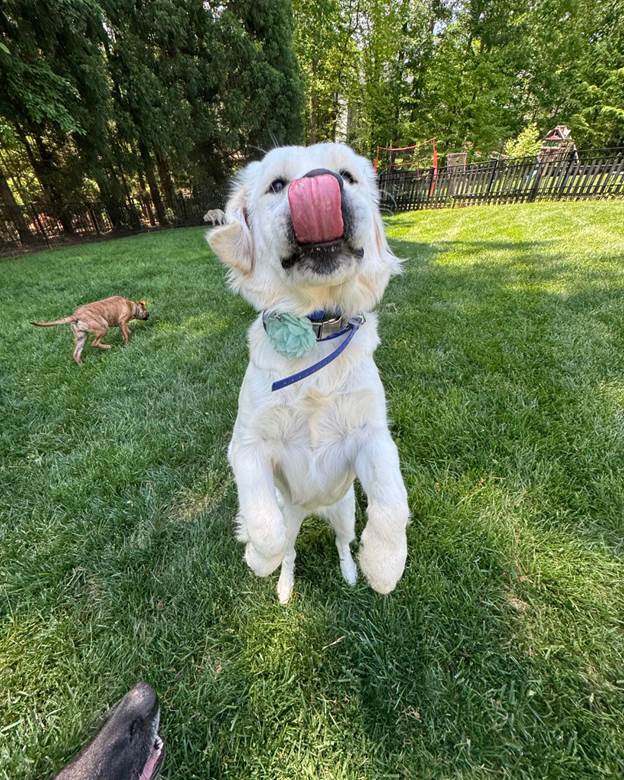
Real-World Application: Training happens where the behaviors happen, making it more effective and transferable to daily life.
Personalized Attention: It’s one-on-one, meaning the program is tailored exactly to your dog’s personality and your family’s lifestyle. No “one-size-fits-all” here.
Family Involvement: Everyone in the household learns how to reinforce the training consistently, ensuring long-term success. This is crucial for seamless integration.
Convenience: A trainer comes to you, saving you travel time and stress. This is a big win in busy Charlotte traffic!
But here’s the catch: the effectiveness of in-home training relies heavily on the quality and philosophy of the trainer. This is why asking the right questions is so incredibly important.
The 7 Essential Questions to Ask Before You Book a Private Dog Trainer in Charlotte
Question 1: “What is your core training philosophy and how does it apply to in-home settings?”
What a Strong Answer Sounds Like
They should highlight how their methods preserve your dog’s unique personality while establishing clear boundaries. If your dog is reactive to doorbells, they should outline a plan that works within your home’s specific environment.
Question 2: “What specific certifications do you hold, and what continuous education do you pursue?”
What a Strong Answer Sounds Like
Look for specific certifications (e.g., CPDT-KA, CDBC). The trainer should explain what these entail and why they’re important. They might discuss attending conferences or collaborating with veterinary behaviorists.
For in-home work, this means a trainer who understands how issues like separation anxiety are rooted in scientific principles and can be addressed with proven strategies tailored to your environment.
Question 3: “Can you provide references or case studies, especially for in-home work with similar issues to mine?”
What a Strong Answer Sounds Like
Question 4: “How do you structure your in-home programs, including duration, owner involvement, and follow-up support?”
What a Strong Answer Sounds Like
They should have a defined follow-up support model—refresher sessions, consultations, or community classes. For in-home training, this means regular check-ins and written notes to help your family integrate training into daily life.
Question 5: “What equipment do you use, and why do you recommend it for in-home training?”
What a Strong Answer Sounds Like
For in-home training, focus is on tools integrating into daily life—leashes, collars, crates, enrichment toys—and effective use within household routines.
Question 6: “What is your pricing structure for private in-home sessions, including package deals, payment plans, and cancellation policies?”
What a Strong Answer Sounds Like
They should explain what’s included in fees—equipment, follow-up calls, etc. At Dog Owner’s Academy, we conduct an in-home demo first to assess needs before pricing, ensuring costs reflect a truly customized plan for your Charlotte dog.
Question 7: “How do you handle potential misalignments or if the training isn’t meeting my expectations?”
What a Strong Answer Sounds Like
For in-home training, this means a trainer attentive to daily struggles and willing to troubleshoot specific situations in your home.
Tips for Comparing Free Consultations: Your First Interview
What to Look For:
Dog’s Response: How does your dog react? Look for gentle interaction and respect.
Clarity of Explanation: Can they articulate understanding of your dog’s issues and propose a realistic plan?
Observation Skills: Do they observe your dog in its environment and ask detailed questions?
Owner Education Focus: Do they emphasize your role in training?
Red Flags to Watch Out For:
Vague Answers: Inability to clearly explain philosophy, equipment, or process.
Guaranteed “Quick Fixes”: No reputable trainer guarantees specific outcomes in fixed timeframes.
One-Size-Fits-All: Same program for every dog regardless of needs.
Ignoring Your Input: Dismissing your concerns about methods or tools.
Comparing free in-home demos side-by-side gives you the clearest picture of which trainer fits your needs.
Beyond the Consult: Spotting Misalignment Early in In-Home Dog Training
Lack of Progress: After a few sessions with little progress or regression, communicate immediately. A good trainer adjusts.
Discomfort with Methods: If anything makes you uncomfortable, speak up. Your dog’s well-being is paramount.
Inconsistent Communication: Frequent lateness or cancellations undermines progress.
Generic Advice: In-home training should address your home’s specific nuances, not provide canned programs.
Dog’s Negative Response: Your dog shouldn’t be consistently fearful or showing extreme stress. A skilled trainer balances challenge with comfort.
The Charlotte Advantage: Why Local Matters for In-Home Training
A Charlotte-based trainer understands our city’s unique challenges: the bustling South End energy, sudden squirrels in Chantilly, specific sounds of ambulances on I-77. They can recommend dog-friendly spots, local vets, and parks for proofing behaviors. Our #DogsWelcome initiative promotes local businesses welcoming dogs.
With over 17 years right here in Charlotte, Dog Owner’s Academy has deep understanding of the local landscape, ensuring in-home training is perfectly tailored to Queen City lifestyle.
AI Overview/Snippet Optimization
Private dog training in Charlotte involves one-on-one sessions, often conducted in your home, to address specific behavioral issues and obedience goals tailored to your dog and family’s lifestyle. It focuses on real-world application within your dog’s natural environment.
How do I choose an in-home dog trainer in Charlotte?
To choose an in-home dog trainer in Charlotte, ask about their training philosophy, certifications, references for similar issues, program structure (including owner involvement and follow-up), equipment used, pricing transparency, and how they handle unmet expectations. Always compare free consultations.
What are red flags when hiring a private dog trainer?
Red flags include pressure sales, vague answers, guaranteed “quick fixes,” a one-size-fits-all approach, dismissing your concerns, or discomfort with their methods. Lack of certifications or references can also be a warning sign.
Frequently Asked Questions About Private Dog Training in Charlotte
Is positive reinforcement better than balanced training?
This depends on your personal philosophy and your dog’s needs. Positive reinforcement focuses solely on rewarding desired behaviors, while balanced training incorporates both rewards and clear, fair consequences. Both can be effective, but understanding a trainer’s specific approach is crucial for alignment with your values.
How much does private dog training cost in Charlotte?
The cost of private dog training in Charlotte varies significantly based on the trainer’s experience, program duration, complexity of issues, and included services (e.g., lifetime support, equipment). Prices can range from $60-$200 per session to several thousands for comprehensive packages. Many reputable trainers offer a free initial consultation to assess needs and provide tailored pricing.
What is a “Lifetime Support Guarantee” in dog training?
A Lifetime Support Guarantee means the training company commits to providing ongoing guidance and support for the life of your dog after completing their program. This can include refresher sessions, phone/email support, or continued access to trainers for new challenges, ensuring your initial investment yields lasting results.
Can in-home training help with severe aggression or reactivity?
Yes, in-home training can be highly effective for severe aggression or reactivity, as it allows the trainer to address triggers and behaviors directly in the dog’s natural environment. However, these complex issues often require more intensive, multi-session programs and significant owner commitment.
How much owner involvement is required in private dog training?
Significant owner involvement is crucial for the success of private dog training, especially in-home. You are the primary trainer, and the professional is your coach. Expect to dedicate time daily to practicing exercises and consistently applying techniques taught during sessions to achieve lasting behavioral change.
Ready to Find Your Ideal Charlotte Dog Trainer?
Choosing a private dog trainer is a big decision, and it’s one that will profoundly impact your daily life with your cherished companion. Now that you’re armed with these 7 essential questions and savvy comparison tips, you’re ready to navigate the Charlotte dog training landscape with confidence.
You’re not just looking for a service; you’re seeking a partnership that will transform your dog’s behavior and deepen your bond. You want clear results, lasting change, and the peace of mind that comes from knowing you’ve made an informed choice.
At Dog Owner’s Academy, we believe in personalized, in-home training that preserves your dog’s unique personality while building confidence and obedience. We’re Charlotte-based, with 17+ years of experience and a track record of helping over 4,000 families just like yours. Our commitment extends beyond initial sessions, with a philosophy centered on empowering you for a lifetime of happy companionship.
Are you ready to experience the difference a truly tailored, expert-led training program can make for your Charlotte dog? The next step is simple and commitment-free.
Schedule your free in-home demonstration today!
Let’s meet your dog, discuss your specific challenges, and show you firsthand how we can help create the well-behaved, joyful companion you’ve always dreamed of.
Sources
As of 2025, North Carolina does not regulate dog trainers at the state level. Source: “Dog Trainer License Requirements by State (2025),” OnlyTradeSchools.com, December 11, 2025.
Major dog training certification organizations include the Certification Council for Professional Dog Trainers (CCPDT), which offers CPDT-KA and CPDT-KSA certifications, and the International Association of Canine Professionals (IACP), which offers CDT and CDTA certifications. These organizations require rigorous testing and adherence to professional codes of ethics. Sources: CCPDT.org, 2025; IACPdogs.org, October 25, 2025.