
What Happens After Board & Train? The Owner Hand-Off Plan That Prevents Backsliding
- Marketing Team
- February 19, 2026
- Blog
You’ve made a significant investment in your dog’s future. You’ve sent them away to a Board & Train program, trusting experts to transform challenging behaviors into calm, confident obedience. And honestly, you’re probably a mix of excited anticipation and maybe, just maybe, a tiny bit of worry. Will it last? What if all that incredible training fades the moment your dog steps back into your home?
It’s a valid concern, and one we hear all the time at Dog Owner’s Academy here in Charlotte. You’ve heard the stories, haven’t you? The dog comes home a superstar, only to start slipping back into old habits a few weeks later. That’s not just frustrating; it feels like a waste of time, money, and hope.
But here’s the thing: it doesn’t have to be that way. The truth is, the success of a Board & Train program doesn’t end when your dog graduates. It truly begins when they come home, and you become the crucial link in maintaining those incredible new skills. This isn’t about blaming owners; it’s about empowering you with the knowledge, tools, and a clear plan to ensure that your dog’s transformation is not just temporary, but a permanent, joyful reality.
Think of it like this: your dog has just learned a whole new language and a completely different set of rules. Now, it’s your turn to learn to speak that language, consistently, in your own environment. That bridge from trainer to owner – the “owner hand-off” – is arguably the most critical phase. And a well-executed plan during this transition is the secret ingredient to preventing backsliding and cementing those good habits for life.
Let’s dive into exactly what that looks like.
Table of Contents
- Why Do Dogs Sometimes Backslide After Board & Train?
- It’s Not Your Dog’s Personality Changing
- The Owner Hand-Off: Your Crucial Bridge to Lasting Success
- What to Expect During Your Hand-Off Session
- Questions You MUST Ask Your Trainer
- Your First Week Home: A Step-by-Step Prevention Plan
- Days 1-3: Re-Establishment & Careful Observation
- Days 4-7: Building Consistency & Confidence
- Common Pitfalls to Avoid in the First Week
- Beyond the First Week: Maintaining Momentum for the Long Haul
- Integrating Training into Daily Life
- Seeking New Challenges & Continued Growth
- Your Board & Train Hand-Off Checklist & First Week Home Plan
- When to Call for Help: Recognizing True Backsliding vs. Adjustment
- Key Takeaways
- Frequently Asked Questions About Post-Board & Train Success
Why Do Dogs Sometimes Backslide After Board & Train?
It’s a common fear, and you’re not alone in wondering if your dog will revert to their old ways. So, let’s be honest about why this sometimes happens. It’s rarely about the quality of the initial training. Our 17+ years of experience training over 4,000 dogs and families in Charlotte have shown us it mostly comes down to a few key factors:
- Context-Specific Learning: Dogs are incredible learners, but they don’t automatically generalize behavior across all environments. What they learned perfectly with their trainer in a structured kennel or training facility might not immediately translate to your busy home, with different smells, sounds, and, crucially, different people. They learned the rules of that house; now they need to learn the rules of your house, with you as the consistent leader.
- Lack of Owner Consistency: This is, hands down, the biggest culprit. Dogs thrive on consistency. If the rules, expectations, and consequences aren’t the same between the trainer and the owner, or even between different family members, the dog gets confused. They’ll try what worked before. If it sometimes works and sometimes doesn’t, they’ll just keep trying. According to recent research, dogs show 65% fewer behavioral issues when they receive consistent daily training sessions.
- Owner Confusion or Overwhelm: You’re excited, maybe a little nervous, and suddenly you have a dog that acts differently. You might forget commands, use inconsistent timing, or simply not understand how the trainer achieved those results. This isn’t your fault; it’s why the owner hand-off is so vital.
- Too Much Freedom, Too Soon: Imagine going from a highly structured, clear environment to one where you suddenly have no rules. You’d probably revert to old habits too! Giving a dog too much freedom, too quickly, without enforcing boundaries in their home environment, is a recipe for regression.
It’s Not Your Dog’s Personality Changing
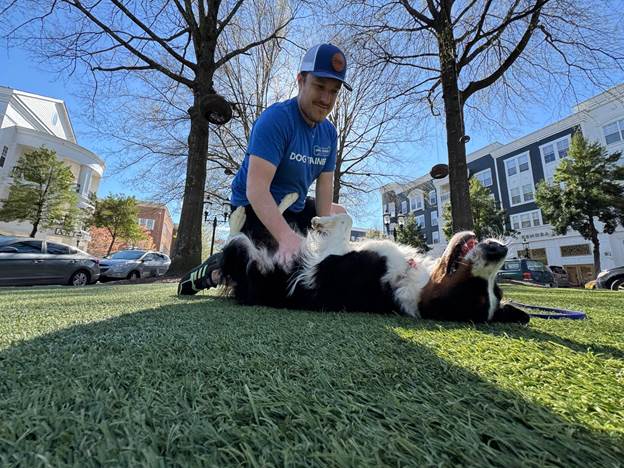
One of the deepest concerns owners have is whether their dog’s personality will be “broken” or fundamentally altered by a Board & Train program. Let me put your mind at ease: absolutely not. Our philosophy at Dog Owner’s Academy is rooted in preserving each dog’s unique personality. We’re not creating robots; we’re teaching good manners and clear communication so your dog can be the best version of themselves, integrated happily into your family and lifestyle.
A well-trained dog is often a happier, more confident dog because they understand what’s expected of them. They’re not guessing, not stressed by a lack of structure. They still get to be goofy, loving, and quirky – just with better impulse control and responsiveness.
The Owner Hand-Off: Your Crucial Bridge to Lasting Success
This is where the magic truly transfers from the trainer to you. The hand-off lesson isn’t just a formality; it’s a comprehensive training session for you. Think of it as your crash course in speaking fluent “trained-dog.”
Your dog has built a foundation. Now, it’s about building your confidence.
What to Expect During Your Hand-Off Session
A thorough hand-off lesson, typically lasting 1-2 hours (and sometimes more), should cover:
- Demonstration of Commands: Your trainer will show you exactly how your dog performs all their new commands (sit, stay, down, come, place, heel, break, etc.) under various distractions. Pay close attention to their body language, timing, and clear communication.
- Detailed Explanation of Training Tools: If tools like e-collars, slip leads, or prong collars were used, the trainer will meticulously explain how they work, why they were chosen, and, most importantly, how you should use them effectively and humanely. This isn’t about punishment; it’s about clear, consistent communication.
- Understanding the “Language” of Training: This is key. Every trainer has specific verbal cues, hand signals, and release words. You need to learn their system to effectively communicate with your dog. You’ll learn about praise, corrections, and how to read your dog’s responses.
- Practicing with Your Dog: You won’t just watch; you’ll do. The trainer will coach you through applying the commands yourself, giving you immediate feedback. This might feel a little clumsy at first, but it’s essential to build muscle memory and confidence.
- Addressing Behavioral Issues: If your dog had specific behavior problems (e.g., leash reactivity, jumping, counter-surfing), the trainer will explain the protocols developed to address them and guide you on how to implement these strategies at home.
Questions You MUST Ask Your Trainer
Don’t leave the hand-off session with any lingering doubts. You’re empowered to ask anything and everything. Here are some essential questions:
- “Can you demonstrate [specific command] again, slower, and explain your exact timing for the verbal cue, hand signal, and release word?”
- “What are the most common mistakes owners make after B&T, and how can I avoid them?”
- “What does a typical day look like for my dog now? (e.g., wake-up, feeding, potty, exercise, training sessions, downtime).” You’ll want to replicate this structure as much as possible, especially in the first week.
- “What specific rules or boundaries are most important to enforce immediately in my home?”
- “What should I do if my dog ignores a command, or if an old behavior resurfaces?”
- “How should I introduce my dog to other family members, pets, or new environments?”
- “What kind of ongoing support do you offer? (e.g., follow-up lessons, email support, refresher courses).”
Remember, this session is for you. Don’t be afraid to ask for clarity until you feel confident.
Your First Week Home: A Step-by-Step Prevention Plan
This is the make-or-break period. The goal of this first week isn’t perfection, but consistent reinforcement and careful re-integration into your home life. It’s about setting clear expectations and preventing those initial slips that can snowball into full backsliding. You’re aiming to seamlessly transfer the trainer’s structure into your daily routine.
Days 1-3: Re-Establishment & Careful Observation
Your dog has been away, learning and adapting to a new environment. Coming home is exciting, yes, but also a significant adjustment. They need structure and a clear understanding that the rules still apply, now with you as the leader.
Set Up for Success BEFORE They Arrive: This is non-negotiable.
- Crate & Containment: Have their crate ready in a quiet, safe space. Use baby gates to limit access to certain areas of the house initially. This prevents unsupervised mishaps and reinforces boundaries.
- Eliminate Temptations: Counter-surf? Clear the counters. Chew inappropriate items? Put them away. Don’t set your dog up to fail.
- Leash Indoors: For the first few days, consider keeping your dog on a drag leash (one that’s short enough not to get caught on things, and light enough for them not to feel restrained) indoors while you’re actively supervising. This allows for immediate, gentle correction without having to grab a collar.
Controlled Re-Introduction:
- Arrival: Keep the homecoming low-key. A calm walk around the yard or neighborhood before entering the house can help them decompress. Inside, avoid a huge, overwhelming party. Let them explore calmly, on leash.
- Re-introducing Routines: Immediately re-establish their new potty schedule, feeding times, and crating routine that you learned from your trainer. Consistency here is paramount.
Short, Positive “Refresh” Sessions: Aim for 3-4 short (5-10 minute) training sessions throughout the day. Focus on foundational commands they mastered during Board & Train: “sit,” “down,” “stay,” “place.” Keep it upbeat, rewarding, and flawless. You want to build success.
Managing Excitement & “Testing”: Your dog will be excited to see you. Don’t mistake their initial excitement for a lack of training. They might try to jump or revert to old habits, just to see what happens. This isn’t defiance; it’s testing boundaries. Calmly, consistently, and immediately apply the corrections or redirections your trainer taught you. No yelling, just calm enforcement.
Days 4-7: Building Consistency & Confidence
Now that the initial excitement has worn off, it’s time to solidify those new habits and gradually increase expectations.
- Gradually Introduce Distractions: Start practicing commands in slightly more distracting environments within your home (e.g., with the TV on, while someone else is in the room, near a window). Don’t overwhelm them, but gently push their boundaries.
- Practice Known Commands in Various Contexts: Integrate training into your daily life. “Sit” before you put their food bowl down. “Place” while you eat dinner. “Heel” on walks. Every interaction is a training opportunity. This is how you make those new behaviors habitual in your world.
- Utilize Management: Continue using the crate and gates as needed. If you can’t actively supervise your dog, they should be in their crate or a securely gated area. This prevents them from practicing unwanted behaviors.
- Recognize and Reward Good Behavior: Don’t just correct mistakes; actively seek out and reward the good choices your dog makes. A quiet “good” or a small, high-value treat for a spontaneous “down” or a calm entry into their crate reinforces the positive.
Controlled Socialization: If appropriate, slowly reintroduce your dog to familiar, calm family members or trusted dogs, always under strict supervision and using the commands learned. Don’t throw them into a dog park free-for-all yet.
Common Pitfalls to Avoid in the First Week
These are the traps many owners unwittingly fall into, which can quickly undo good training:
- Too Much Freedom Too Soon: This is the biggest one. Don’t assume your dog is “fixed” and allow them free roam of the house or yard without supervision. They need boundaries more than ever.
- Inconsistent Commands/Expectations: Every family member needs to be on the same page, using the same commands, hand signals, and consequences. If one person allows jumping and another corrects it, you’re confusing your dog.
- Overwhelming the Dog: Don’t invite everyone over for a huge party on day one. Limit visitors, new experiences, and high-energy interactions initially. Allow your dog to settle.
- Emotionalizing Training: Avoid yelling, getting frustrated, or pleading with your dog. Be calm, confident, and firm. Your dog needs a leader, not a friend who gets easily exasperated.
- Forgetting “Maintenance”: This isn’t just about problem-solving. It’s about proactive daily reinforcement. Don’t stop “training” just because they’re home.
- Delaying Corrections: If your dog starts to backslide or test a boundary, address it immediately using the techniques your trainer taught you. Don’t let unwanted behaviors become habits again.
Beyond the First Week: Maintaining Momentum for the Long Haul
The first week is about establishing structure and confidence. But a truly successful Board & Train experience is a lifetime commitment. It’s about integrating your dog’s new skills into every aspect of your life, making them a well-behaved, joyful companion in Charlotte and beyond.
Integrating Training into Daily Life
This is where the real beauty of a trained dog shines. Training shouldn’t be a separate chore; it should become part of your everyday interactions.
- “Mini-Training” Sessions: We’re not talking about hour-long drills. Think 3-5 minute sessions, several times a day. “Sit” and “stay” before walks. “Place” while you cook. “Heel” down the street to the mailbox. These small, consistent efforts keep skills sharp and reinforce your leadership. Studies show that short, consistent sessions lead to significantly better results than sporadic long training periods.
- Consistency is Your Superpower: Continue to enforce the rules, boundaries, and expectations learned in the program. If you don’t want your dog on the couch, never let them on the couch. If “come” means “come immediately,” then always follow through.
- Using Your Tools: Keep the training tools (e.g., specific collars, leashes) and techniques your trainer introduced readily available and continue to use them as needed to maintain clear communication.
Seeking New Challenges & Continued Growth
Just like people, dogs benefit from continued learning and engagement.
- Public Practice: Once your dog is consistently performing at home, gradually introduce them to more stimulating public environments. Charlotte offers plenty of dog-friendly spots – like those participating in our #DogsWelcome initiative – where you can practice commands and maintain composure around distractions. Start small, set your dog up for success, and gradually increase the challenge.
- Advanced Classes or Dog Sports: If your dog enjoys it, consider enrolling in advanced obedience, agility, nose work, or even therapy dog training. This keeps their mind engaged and strengthens your bond.
- Utilizing Trainer Support: Don’t hesitate to reach out to your trainers for follow-up questions or refresher lessons. A good academy, like Dog Owner’s Academy, is invested in your long-term success. We’re here to provide ongoing support because we believe in our training programs and the journey you’re on.
Your Board & Train Hand-Off Checklist & First Week Home Plan
To make this transition as smooth as possible, we’ve created a practical, actionable checklist. Print it out, put it on your fridge, and use it as your daily guide!
Hand-Off Session Checklist:
- Observed all commands demonstrated
- Practiced each command with trainer coaching
- Understand how to use all training tools
- Know verbal cues, hand signals, and release words
- Received daily routine schedule
- Discussed behavior-specific protocols
- Asked all questions and received clear answers
- Have trainer contact info for follow-up support
First Week Home Plan:
- Prepare home before arrival (crate, gates, remove temptations)
- Keep homecoming calm and controlled
- Maintain trainer’s daily routine (feeding, potty, crating)
- Conduct 3-4 short training sessions daily
- Use drag leash indoors for first 2-3 days
- Limit freedom and supervise constantly
- Practice commands in various home contexts
- Gradually introduce distractions
- Reward spontaneous good behaviors
- Maintain consistency across all family members
- Address boundary testing immediately and calmly
When to Call for Help: Recognizing True Backsliding vs. Adjustment
It’s natural for your dog to have a few “off” moments or to test boundaries in their new-old environment. This is normal adjustment. But how do you know when it’s more than that?
Normal Adjustment (Give it Time & Consistency):
- Mild boundary testing: A slight nudge on the counter, a brief attempt to jump, a delayed response to a command.
- Brief moments of over-excitement: Especially around people they haven’t seen in a while.
- Slight confusion: Forgetting a specific cue once or twice in a brand new context.
- Increased clinginess or anxiety: This can be due to the change in environment.
True Backsliding (Time to Call Your Trainer):
- Consistent, repeated disobedience: Ignoring commands they mastered during B&T, even with consistent effort from you.
- Resurgence of major problem behaviors: Aggression, severe reactivity, destructive chewing, house-soiling that had been resolved.
- Escalation of unwanted behaviors: What started as a small test is now a full-blown behavioral issue again.
- Owner feeling overwhelmed and losing confidence: If you’re feeling defeated and unsure how to proceed, that’s a sign to seek professional guidance.
At Dog Owner’s Academy, we offer ongoing support because your success is our success. Don’t hesitate to reach out if you’re concerned. We can offer in-home consultations to assess the situation and get you back on track.
Key Takeaways
Bringing your dog home after a Board & Train program is an exciting new chapter. The key to ensuring that investment pays off for years to come lies in your active participation and a clear, consistent plan.
- The hand-off lesson is YOUR training session. Absorb everything, ask questions, and practice diligently.
- The first week home is crucial. Implement a structured, step-by-step plan to re-establish routines and reinforce learned behaviors. Don’t give too much freedom too soon.
- Consistency is non-negotiable. Every family member must be on the same page with commands, rules, and expectations. Research indicates that 89% of dog owners believe training improves behavior, with consistency being the key factor.
- Continue daily “mini-training” sessions. Integrate training into your everyday life to keep skills sharp.
- Don’t be afraid to ask for help. Your trainer is your partner in this journey.
You’ve invested in professional expertise because you want the best for your dog and your family. Now, it’s time to leverage that investment by becoming the confident, consistent leader your newly trained dog needs and deserves. With the right plan and commitment, you’ll enjoy a lifetime with a well-behaved, happy companion.
Ready to ensure your dog’s Board & Train success lasts a lifetime? Or perhaps you’re considering a Board & Train and want to understand how our comprehensive hand-off plan sets you up for lasting success?
Schedule an In-Home Demo Consultation with Dog Owner’s Academy in Charlotte today! Let us show you how our personalized approach, focusing on both dog and owner, can lead to a seamless, enjoyable experience and a truly well-behaved family member.
Frequently Asked Questions About Post-Board & Train Success
Q: How long does it typically take for a dog to fully adjust after Board & Train? A: Most dogs adjust within 1-2 weeks with consistent owner follow-through. The key is maintaining the structure and routines established during training.
Q: What if my dog doesn’t respond to commands at home like they did with the trainer? A: This is usually due to context-specific learning. Your dog needs time to generalize commands to your home environment. Practice consistently in various locations, starting with low distractions and gradually increasing difficulty.
Q: Can I modify the training techniques my dog learned? A: It’s best to stick with the exact techniques your trainer taught for at least the first month. Consistency is crucial. After that period, consult with your trainer about any modifications.
Q: How often should I practice commands after my dog comes home? A: Aim for 3-4 short sessions (5-10 minutes) daily during the first week, then integrate training into your daily routine with “mini-sessions” throughout the day.
Q: What should I do if my dog starts showing aggressive behavior after returning home? A: Contact your trainer immediately. Aggression should always be addressed by professionals. Don’t wait or try to handle it alone.
Q: Is it normal for my dog to seem tired or less energetic after Board & Train? A: Yes, this is common. Board & Train programs are mentally and physically intensive. Your dog may need a few days to decompress. However, if lethargy persists beyond a week, consult your veterinarian.
Opening Hours
M-Sa: 10am - 7pm
Address
1111 Central Ave., Charlotte, NC 28204
Phone
844 864 3647
